Blog

Welcome to Koinonia Writings!

A writer's desk; a computer, a cup of coffee, a notepad and a penWhile some may call this our blog, it’s more than that—it’s a collection of reflections, stories, and insights divided into various categories. These writings span both the past and present, authored by voices that have shaped Koinonia Farm over the course of more than eight decades.

Some categories, like Oral History, represent a growing archive of stories from Koinonia’s rich history. We’ve been here for over 80 years, and countless stories are still waiting to be told.

Brief Thoughts from Bren is the most current category, with a new post each month in our e-newsletter, Koinonia Briefly. If you haven’t subscribed yet, you can sign up right on our homepage.

Another fascinating section is Peacemakers, where each post is dedicated to one of the inspiring figures after whom our guest rooms are named. We share a picture and a short biography—a meaningful read for anyone interested in justice and reconciliation.

We hope you’ll find something that resonates with you in these writings and that you’ll return often to explore more.
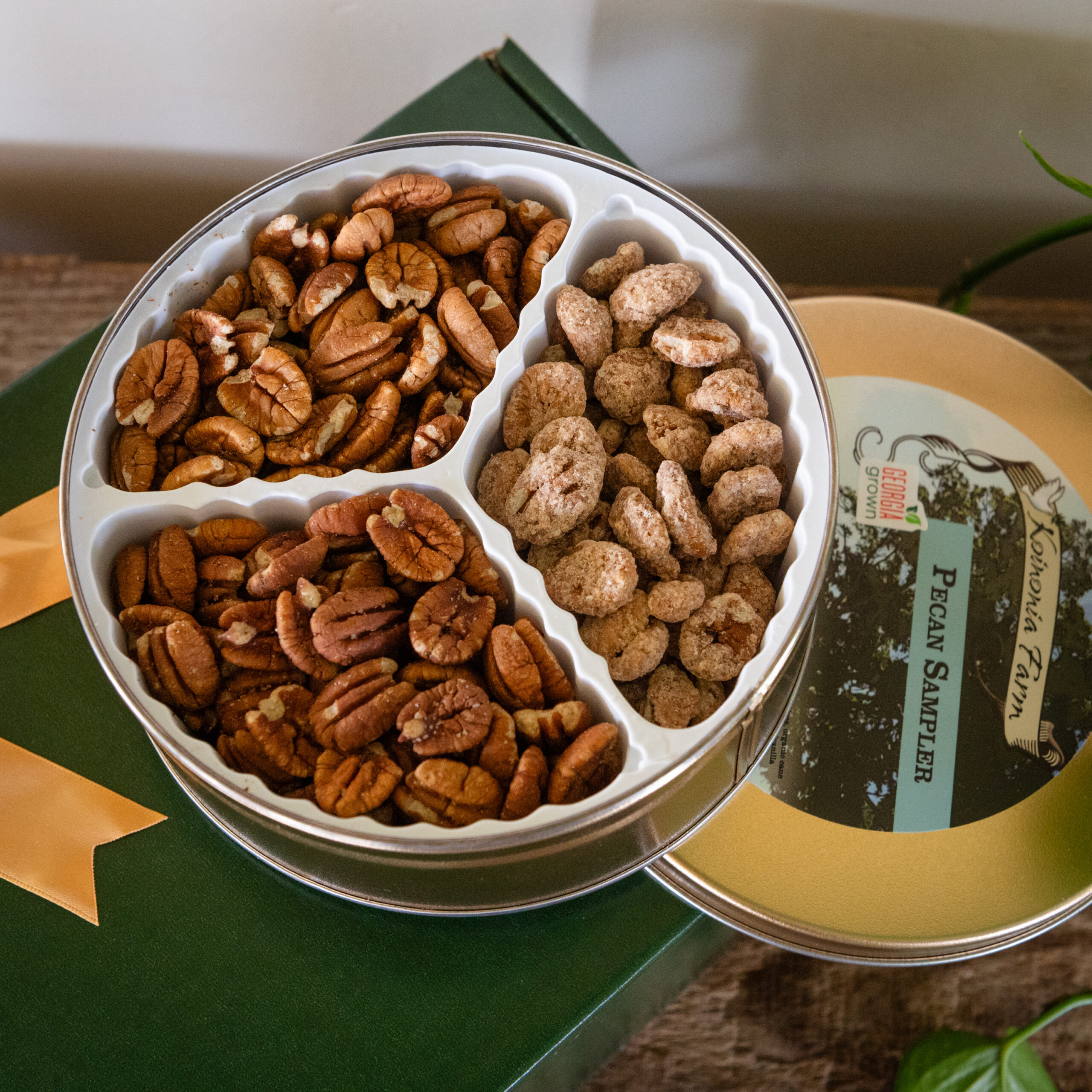

 

Fair trade has many points of origin, but one idea runs through its history: showing up for far-away neighbors when injustice threatens their lives and livelihoods. From coffee farmers in 1980s Nicaragua to Koinonia Farm during the economic boycott decades earlier, ordinary people found ways to use trade as an act of solidarity. This Fair Trade Month, we remember that history—and the friends who helped Koinonia survive by simply ordering pecans.
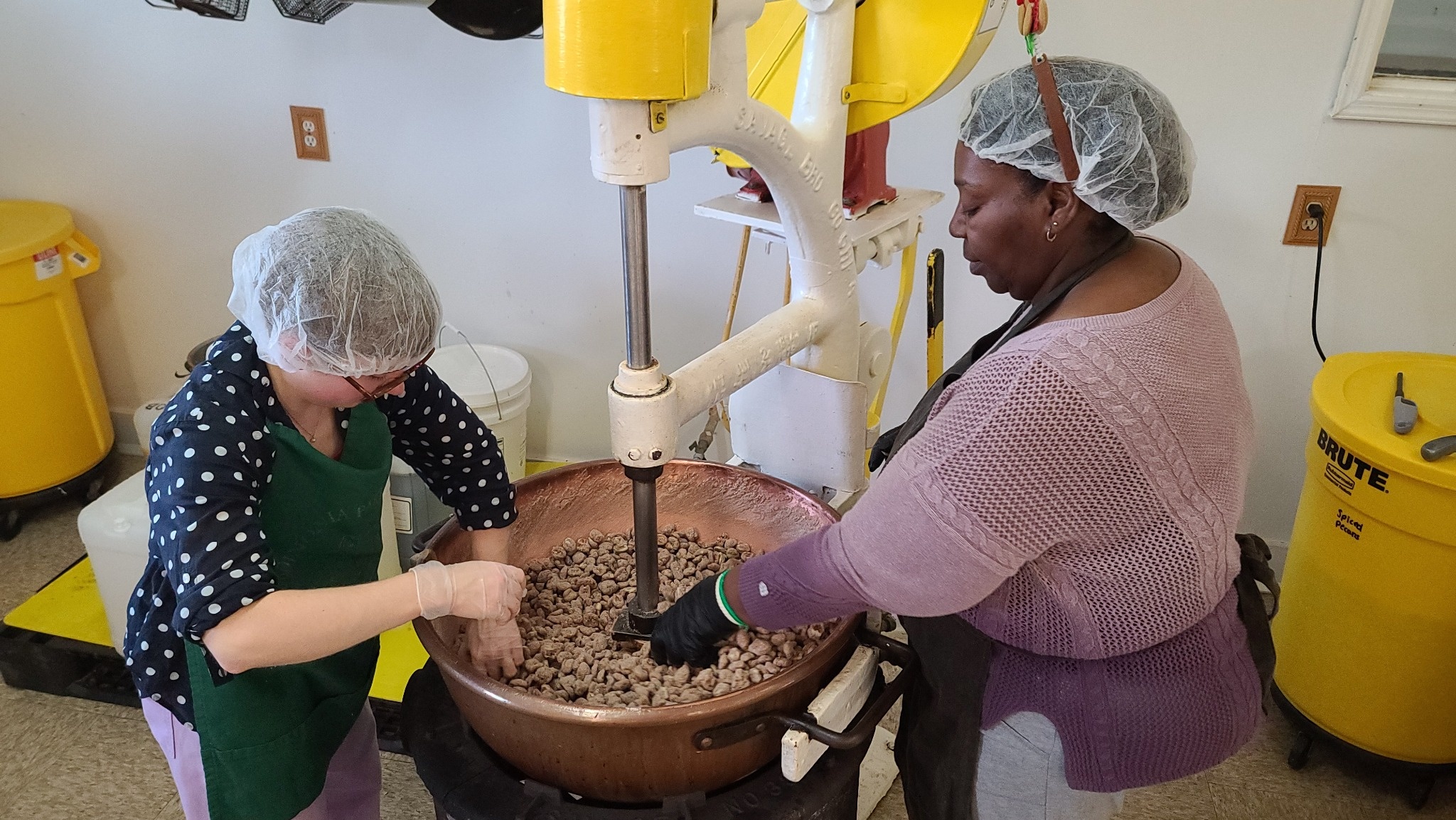
We’ve spruced things up, rearranged the shelves, and opened our brand-new online store! Come see what’s new—and discover how a little mail-order pecan business helped keep Koinonia going.
Most of the stories stayed small. Stayed local. Stayed, in a way, hidden. A simple phone call. A mother in need. A quiet yes. No headlines. No campaign. Just a community, for a time, carrying something that needed carrying.
It’s a strange thing to write an ode to a piece of punctuation. But then again—it’s a strange time. The em-dash, for me, has always been one of the most human marks we have. It doesn’t rush a thought to its conclusion. It makes room—for the truer thought that arrives just after we’ve already started speaking.
We live in a time when problems travel fast. They arrive on our phones before breakfast and sit waiting in the quiet corner of a conversation: Did you hear about…? The problems are real. But something unhealthy happens when we fixate on them. Before long, they begin to take up all the oxygen in the room. The old desert monks used to say that when darkness fills a room, you do not wrestle the darkness. You light a candle.
Seven years is a long time. Long enough to see one another on a Monday morning before coffee. Long enough to disagree. Long enough to discover that community is less romantic than we imagined and more beautiful than we expected. We call those final promises “entering the Covenant.” You do not sign and suddenly belong. You step into something already living and breathing.
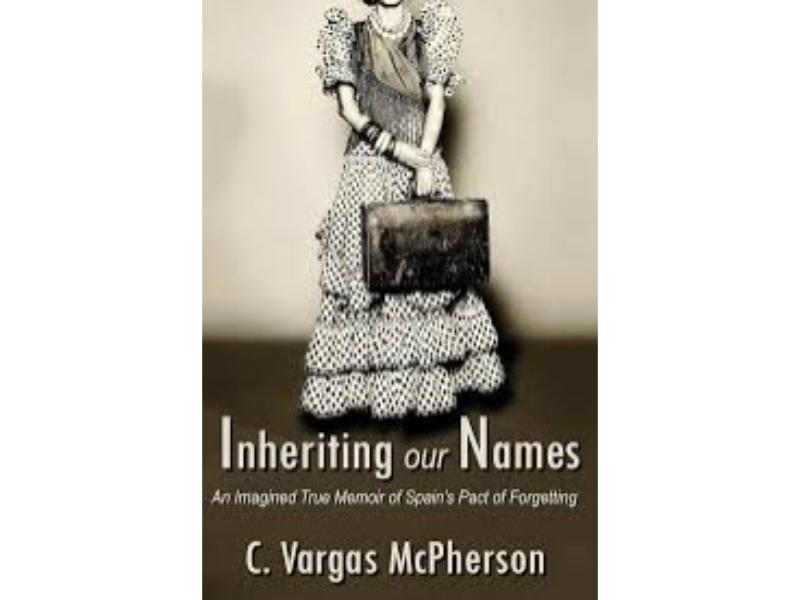
A florilegium is a gathering of flowers — only these flowers are words. For centuries, monks and seekers copied down lines that caught the heart. Reading C. Vargas McPherson’s Inheriting Our Names, I found myself doing the same — gathering words that slowed me, steadied me, reminded me of what endures.
Fair trade is more than a label—it’s a way of showing up as a neighbor to farmers across the globe. At Koinonia, every bit of chocolate we use comes from that spirit of fairness and care.
Unity in Community Peace Day At the park that day, we brought postcards, colored pens, and an invitation to peace. Folks stopped by, made their own pledges, and reminded us again that peace starts small—sometimes with a helping hand, sometimes in the heart of a child.